WATER, SANITATION & HYGIENE (WASH)
Access to safe water and sanitation is fundamental to life, health, and economic progress. At Bethel Network, our WASH program delivers sustainable, community-driven solutions that improve access to clean water, strengthen sanitation infrastructure, and promote life-saving hygiene practices across underserved communities in Kenya. As a non-governmental organization, Bethel Network implements scalable, impact-driven programs across three key pillars: Youth & Women Economic Empowerment (YWEE), Water, Sanitation & Hygiene (WASH), and Food Security & Climate Change (FOSECC), using an integrated approach that combines infrastructure development, skills training, behavior change, and strong community ownership to ensure lasting impact. Support a WASH Project or Partner With Us to be part of this transformation.
Projects Benifits
Despite progress, many communities in Kenya still lack reliable access to safe water and sanitation, leading to preventable diseases, lost opportunities, and a reduced quality of life.
- High prevalence of waterborne diseases
- Disproportionate burden on women and girls
- Dependence on unsafe and contaminated water sources
- Inadequate sanitation facilities in schools and communities
Driving Sustainable Impact Through Integrated WASH Solutions
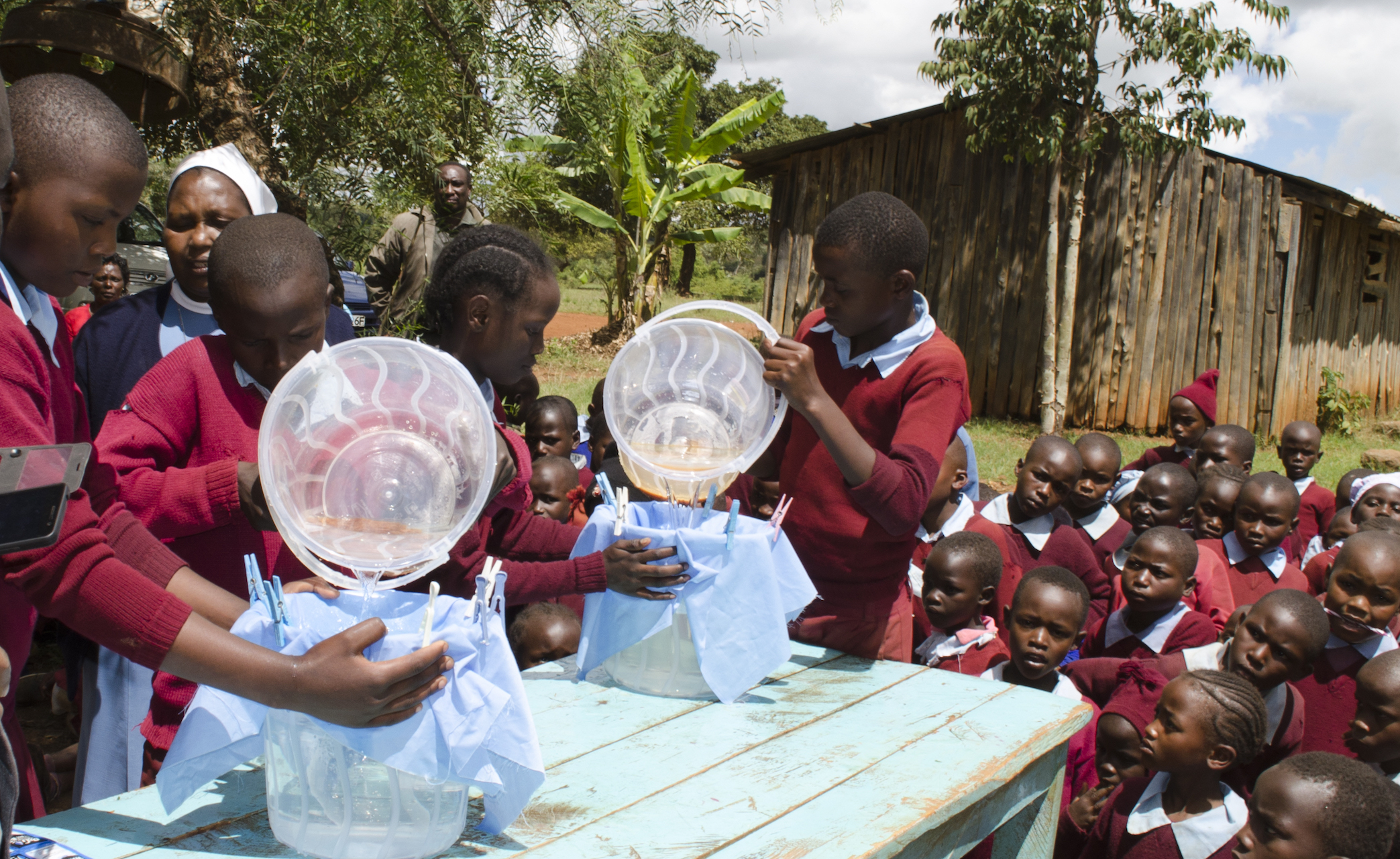
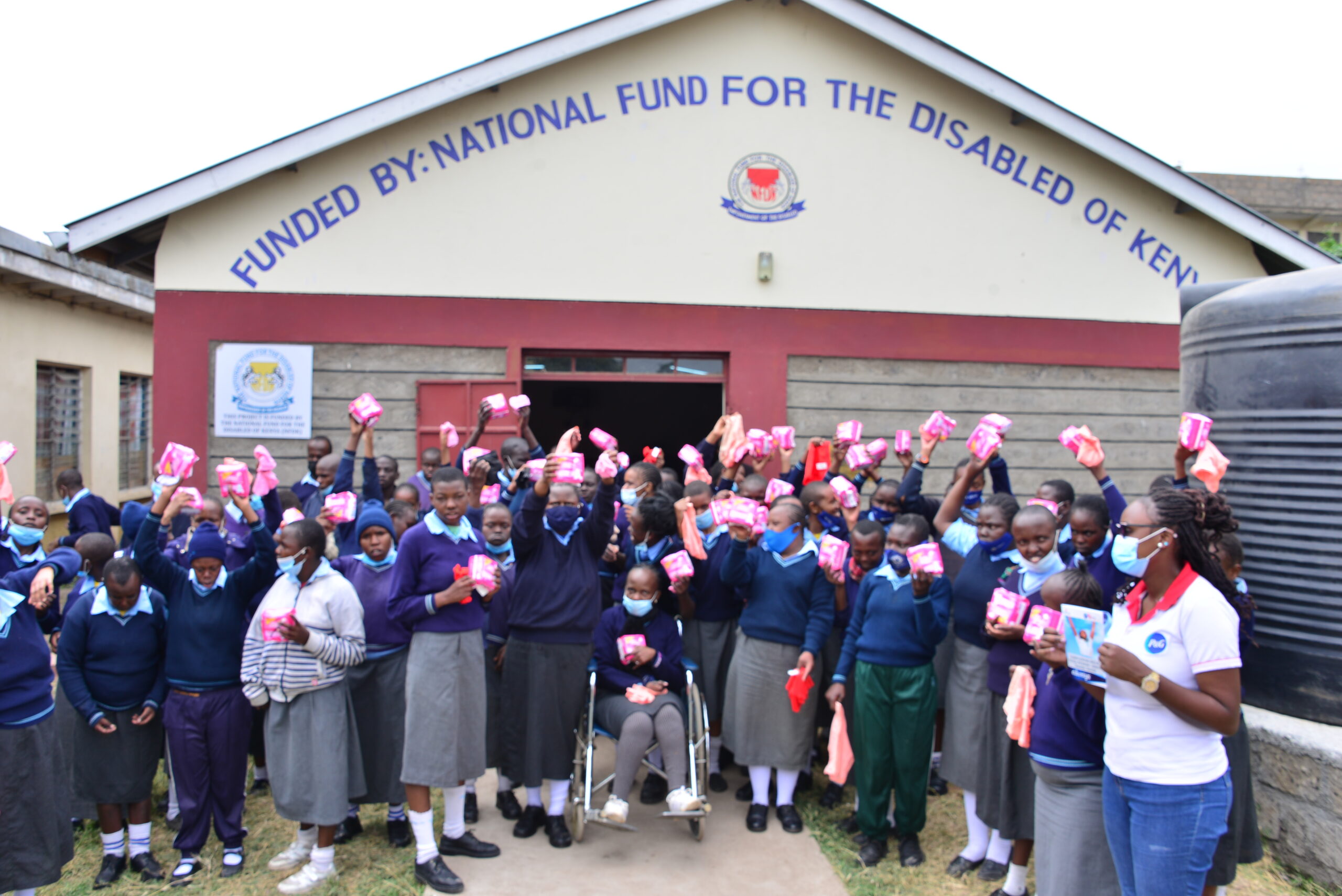
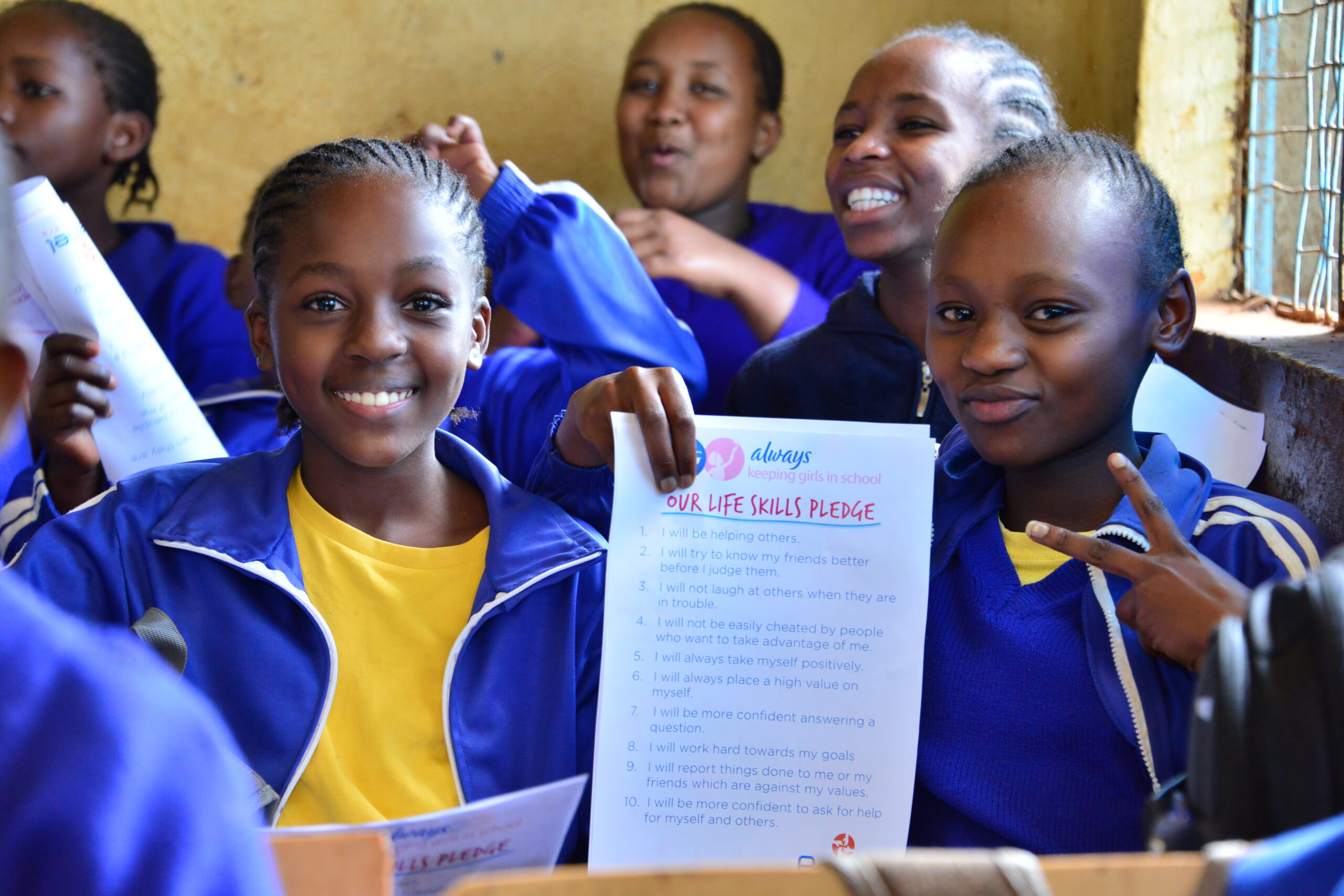
We implement integrated WASH solutions that address immediate needs while building long-term resilience through four key pillars: safe water access, sanitation and infrastructure, hygiene behavior change, and community ownership and governance. Our work delivers real, measurable impact, over 60 million liters of contaminated water treated (52M via sachets and 8M through sustainability programs), 10,000+ households reached, 30,000+ school children supported, 38 boreholes mapped, 14 repaired and restored, 16 water committees formed, and a significant reduction in waterborne diseases. Through our core programs, we provide clean water via the Access to Safe Drinking Water initiative, strengthen rural systems through the Circuit Rider Program (while addressing gaps like outdated pumps, capped boreholes, and the need for solarization), promote menstrual health and dignity through the Bethel Schools Program (supporting 110,000+ girls and distributing 700,000+ pads), expand access through solar-powered water kiosks, improve sanitation infrastructure, and drive hygiene behavior change through school-based programs reaching over 31,000 pupils. Our implementation model follows a structured, community-centered process, from stakeholder engagement and needs assessment to co-creation, capacity building, infrastructure development, and continuous monitoring, ensuring sustainability through local ownership. Built for long-term impact, our approach strengthens governance and equips communities to manage their own systems, while our 2026 priorities focus on scaling impact and innovation.
- 30,000+ school children supported
- 38 boreholes mapped, 14 restored
- 60M+ liters of contaminated water treated
- 10,000+ households reached with safe water
- 31,738 pupils reached through hygiene programs
- 110,000+ girls empowered through menstrual health programs